Service Areas
Serving All of Pittsburgh, PA
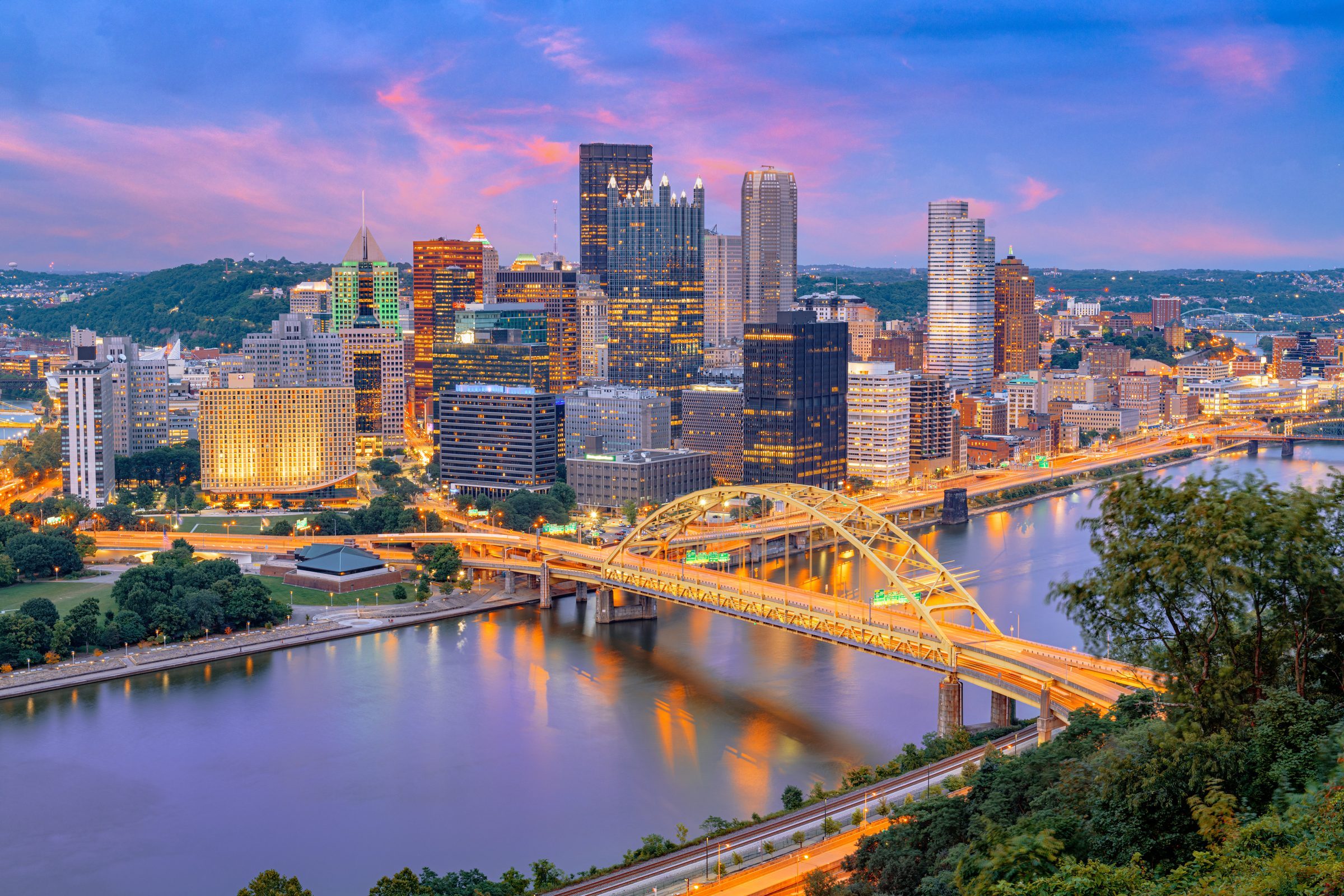
Welcome to Pittsburgh, Pennsylvania, a city built on three rivers and a whole lot of grit. Once known mostly for steel mills, Pittsburgh has quietly turned itself into one of the more interesting comeback stories in the country, mixing old industrial bones with tech offices, hospitals, and a genuinely walkable downtown that somehow still feels like a small town in places.
Pittsburgh, PA
From the bridges crossing the Allegheny and Monongahela to the winding streets climbing up Mount Washington, there is a lot of city packed into a relatively small footprint. Whether you are settling into a new place in Lawrenceville or you have been in Squirrel Hill for as long as you can remember, moving in or around this city eventually comes up for almost everyone, and finding a trusted moving company in Pittsburgh, PA that actually knows these hills, these narrow streets, and these old rowhouses, like the folks at WeMove Pittsburgh, makes the whole process a lot less stressful. Anyway, back to the city itself, because there is a lot to cover.
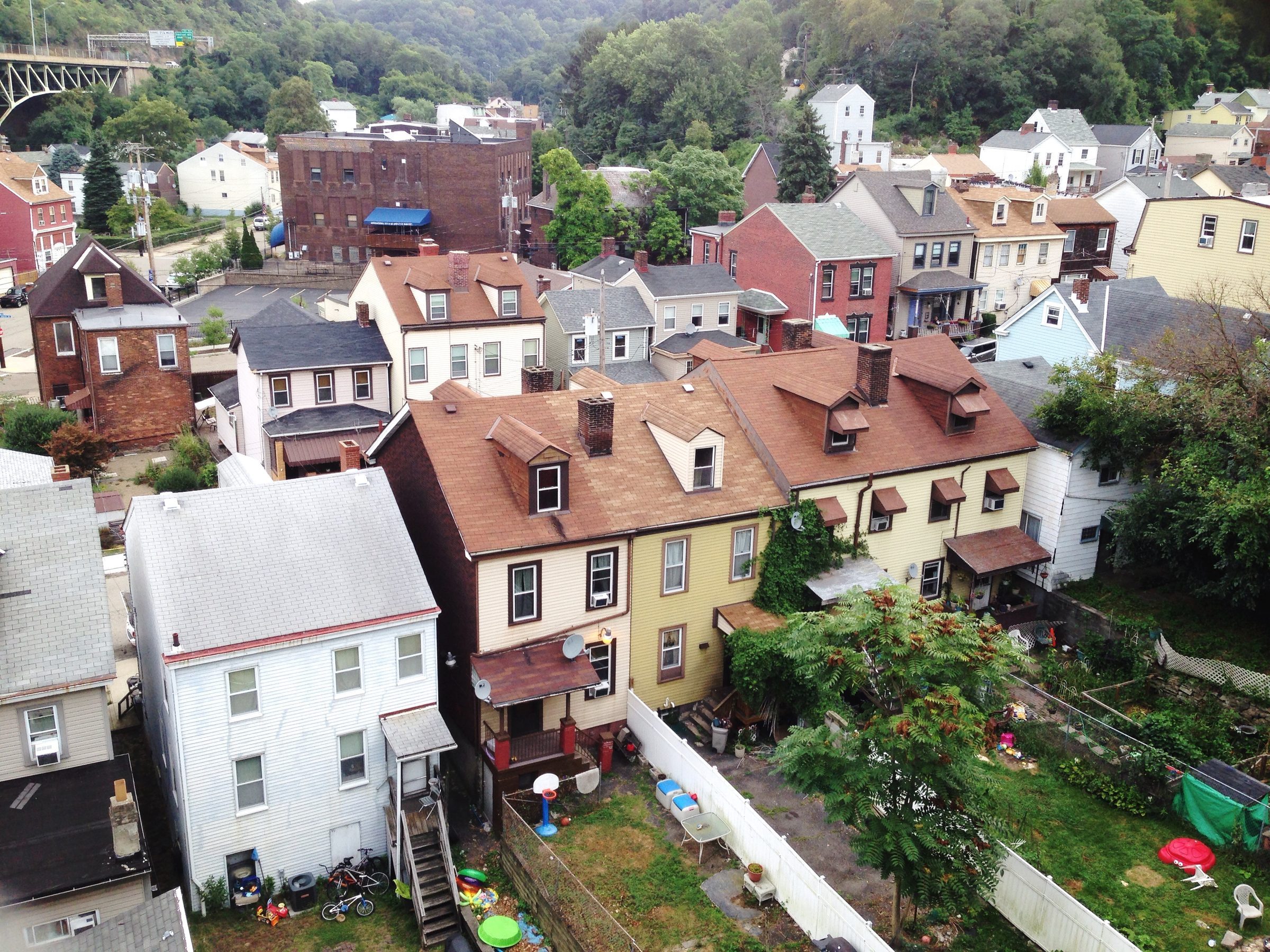
Pittsburgh's identity is tied up in its neighborhoods, and honestly that is where most of the character lives. The city was built out of dozens of small, distinct communities, many of them former mill towns or river villages that eventually got absorbed into the larger city, and you can still feel that in how different one neighborhood feels from the next just a few minutes apart.
People here are proud, sometimes stubbornly so, of where they are from. Steelers Sundays still shut down entire blocks, Primanti's sandwiches still come with fries stuffed inside, and longtime residents will still tell you exactly which neighborhood raised them, sometimes down to the parish. Experience Pittsburgh, a city where old-world roots and new energy somehow keep finding a way to coexist.
Things to do
Things To Do in Pittsburgh, PA
From skyline views to historic mills tucked into gorges, Pittsburgh sits close enough to some genuinely great attractions that a good afternoon is never far off. Here are five outstanding activities all within about a 15 to 45 minute drive from 660 First Ave in Pittsburgh.
01
Mount Washington and the Duquesne Incline
Just a short drive from Downtown, Mount Washington offers what is honestly one of the best city skyline views in the entire country, especially at night when the Golden Triangle lights up across the water. The historic Duquesne Incline, in operation since 1877, carries passengers up the hillside in a restored wooden cable car, and the observation deck at the top gives an uninterrupted view of where the three rivers meet.
02
Phipps Conservatory and the Cathedral of Learning
Located in Oakland, just a few minutes from Downtown, Phipps Conservatory is a stunning Victorian glasshouse filled with rotating botanical displays, from orchid rooms to seasonal flower shows. Right nearby sits the Cathedral of Learning, the University of Pittsburgh's 42-story Gothic tower, home to the Nationality Rooms, a collection of classrooms each designed to reflect a different culture from around the world.
03
Kennywood Park
About 20 minutes southeast of Downtown in West Mifflin, Kennywood is one of the oldest amusement parks in the country and a certified National Historic Landmark. The park mixes classic wooden roller coasters with modern thrill rides, plus a historic carousel and plenty of nostalgic charm that keeps generations of Pittsburgh families coming back year after year.
04
Historic Sewickley Village
Roughly 20 to 25 minutes northwest of Downtown along the Ohio River, Sewickley is a charming, walkable riverfront borough known for its tree-lined streets, independently owned boutiques, and a lively weekend farmers market. It is the kind of small-town escape that feels a world away from the city despite being just a short drive up the river.
05
Hartwood Acres Park
About 20 to 25 minutes northeast of Downtown, Hartwood Acres is a 629-acre county park built around a restored 1929 Tudor-style mansion originally owned by the Lawrence family. Visitors can tour the mansion's collection of English and American antiques, wander the sculpture garden, or hike and bike along 30 miles of trails; the park's free summer concert series draws crowds from across the region every year.
The Character of Pittsburgh, PA
Pittsburgh has a personality that is a little rough around the edges, in the best way. This is a city that earned its reputation the hard way, through steel and coal and decades of hard labor, and even as the economy has shifted toward healthcare, education, and technology, that blue-collar backbone never really left.
The rivers shape almost everything here. Point State Park sits right where the Allegheny and Monongahela meet to form the Ohio River, and the view from across the water, especially at night when the skyline lights up, is one of those things that genuinely surprises first-time visitors. The city's famous inclines, the Duquesne and the Monongahela, still carry passengers up Mount Washington the same way they have for over a century, offering one of the best skyline views in the country for the price of a bus fare.
Sports matter here in a way that borders on religion. The Steelers, Penguins, and Pirates each have deeply loyal fan bases, and game days genuinely change the rhythm of the city. Beyond sports, Pittsburgh has built a strong cultural identity around its universities, its museums, and its neighborhoods, from the Andy Warhol Museum on the North Side to the food scene in the Strip District, where Saturday mornings mean packed sidewalks, fresh produce, and the smell of fresh bread and coffee everywhere you turn.
What ties it together is a kind of quiet resilience. Pittsburgh went through a lot- mill closures, population loss, decades of rebuilding- and came out the other side as a city that Forbes and other outlets have repeatedly named one of the most livable in the country. That reputation was not handed to it. People here worked for it, and it shows in the pride residents still take in their neighborhoods.
Neighborhoods and Zip Codes of Pittsburgh, PA
Pittsburgh is a patchwork of nearly 90 distinct neighborhoods, each with its own zip code and its own personality. Here is a look at some of the city's most notable areas.
01
Downtown (15219 / 15222)
Downtown Pittsburgh, also called the Golden Triangle, sits right at the point where the three rivers meet and serves as the city's business and cultural core. Market Square anchors the neighborhood with restaurants and shops, while the Cultural District along Penn and Liberty Avenues hosts theaters, galleries, and the Pittsburgh Symphony. It is dense, walkable, and increasingly residential as more people move into converted office buildings and new apartments.
02
Lawrenceville (15201)
Lawrenceville has transformed from a quiet, working-class neighborhood into one of Pittsburgh's trendiest areas, packed with restaurants, breweries, boutiques, and art studios along Butler Street. The neighborhood still holds onto some of its industrial past in its architecture, but the energy these days comes from young professionals, artists, and families drawn to its walkability and its mix of old rowhouses and newer development.
03
Shadyside (15206)
Shadyside is one of Pittsburgh's more upscale East End neighborhoods, known for its tree-lined streets, historic homes, and the boutique shopping along Walnut Street and Ellsworth Avenue. It is home to UPMC Shadyside hospital and sits right next to Chatham University, giving the area a mix of quiet residential blocks and lively commercial corridors.
04
Squirrel Hill (15217)
Squirrel Hill is a large East End neighborhood known for its strong sense of community, its Jewish heritage, and its walkable business districts along Murray and Forbes Avenue. The neighborhood is home to Frick Park, one of the largest and most heavily wooded parks in the city, and remains a favorite for families thanks to its mix of housing options and easy access to both Downtown and Oakland.
05
South Side Flats (15203)
South Side Flats sits just south of the Monongahela River and is known for its dense concentration of 19th-century rowhouses along East Carson Street, one of the longest stretches of Victorian-era commercial architecture in the country. The neighborhood carries a lively nightlife scene, plenty of shops and restaurants, and a strong walkable character that keeps drawing young renters and buyers alike.
06
Strip District (15222)
The Strip District runs along the Allegheny River just northeast of Downtown and has evolved from a warehouse and produce district into one of the city's most popular food and shopping destinations. Weekend mornings bring crowds to its produce stands, ethnic grocers, and coffee shops, while the neighborhood has also become a growing hub for tech and robotics companies setting up shop in its old industrial buildings.
With neighborhoods ranging from the historic rowhouses of the South Side to the leafy streets of Squirrel Hill, Pittsburgh offers a genuinely different feel depending on which bridge you cross.
Income and Education in Pittsburgh, PA
Pittsburgh's economy has shifted a long way from its steel-making roots, now anchored by healthcare, education, and a growing technology sector that includes major players like Google, Uber's self-driving research arm, and an expanding robotics industry tied closely to the city's universities. The median household income in the city of Pittsburgh sits at roughly $67,000, and about 53 percent of residents hold a bachelor's degree or higher, a figure that reflects the enormous influence of the city's higher education institutions on its workforce.
Education is deeply woven into Pittsburgh's identity and its economic recovery. Pittsburgh Public Schools serves the city with a wide network of elementary, middle, and high schools, including several respected magnet programs that draw students from across the district. Surrounding suburban districts, including Mt. Lebanon, Fox Chapel, and Upper St. Clair, are consistently ranked among the strongest in the state and pull families out toward the suburbs when they are house hunting.
Higher education might be Pittsburgh's single biggest strength. The University of Pittsburgh and Carnegie Mellon University sit just a few blocks apart in Oakland, and together they have turned Pittsburgh into one of the country's leading hubs for medical research, robotics, and artificial intelligence. Duquesne University adds another strong presence right at the edge of Downtown, rounding out a higher education scene that punches well above its weight for a city this size.
Together, the strength of Pittsburgh's universities and its shifting economy have created a city that keeps reinventing itself. It is not the same city it was fifty years ago, and honestly, that reinvention is still very much in progress.
Schools in Pittsburgh, PA
Public Schools
Pittsburgh Public Schools serves the city with a wide network of elementary, middle, and high schools, including several respected magnet programs that draw students from across the district.
Pittsburgh Allderdice High School, located in Squirrel Hill, is the district's largest high school and offers a partial engineering magnet program alongside a reputation for rigorous college preparatory coursework and a diverse student body drawn from across the city.
Pittsburgh CAPA 6-12, the Creative and Performing Arts magnet school, sits right in the Cultural District downtown and draws students citywide who want to combine a full academic track with serious training in music, dance, theater, and visual art.
Pittsburgh Obama Academy of International Studies, an International Baccalaureate magnet program, gives students a globally focused curriculum and has become one of the more sought-after magnet options in the district for families interested in that kind of academic track.
Private Schools
Pittsburgh also has a strong lineup of independent and parochial schools for families looking for an alternative to the public system.
Shady Side Academy, founded in 1883, is one of the region's most established private schools, offering a Pre-K through 12th grade coeducational program across several campuses in the city and its suburbs, along with an optional boarding program for high schoolers.
Winchester Thurston School, located in Shadyside, offers a Pre-K through 12th grade program known for its work with gifted and talented students and its emphasis on hands-on, inquiry-based learning.
Central Catholic High School, located in Oakland, has been educating young men since 1927 and remains one of the most respected Catholic college preparatory schools in the city.
Higher Education
The University of Pittsburgh, commonly called Pitt, is a major public research university located in Oakland and instantly recognizable by its 42 story Cathedral of Learning. Pitt is especially well known for its medical school and its close ties to UPMC, one of the largest healthcare systems in the country.
Carnegie Mellon University, located just up the street from Pitt in Oakland, has built a global reputation in computer science, robotics, and the arts, and has been a driving force behind Pittsburgh's growth as a technology hub.
Duquesne University, situated on a hilltop just above Downtown, is a private Catholic university known for its law, pharmacy, and business programs, along with a strong sense of community engagement tied to its location right at the edge of the city center.
Public Transportation and Major Highways in Pittsburgh, PA
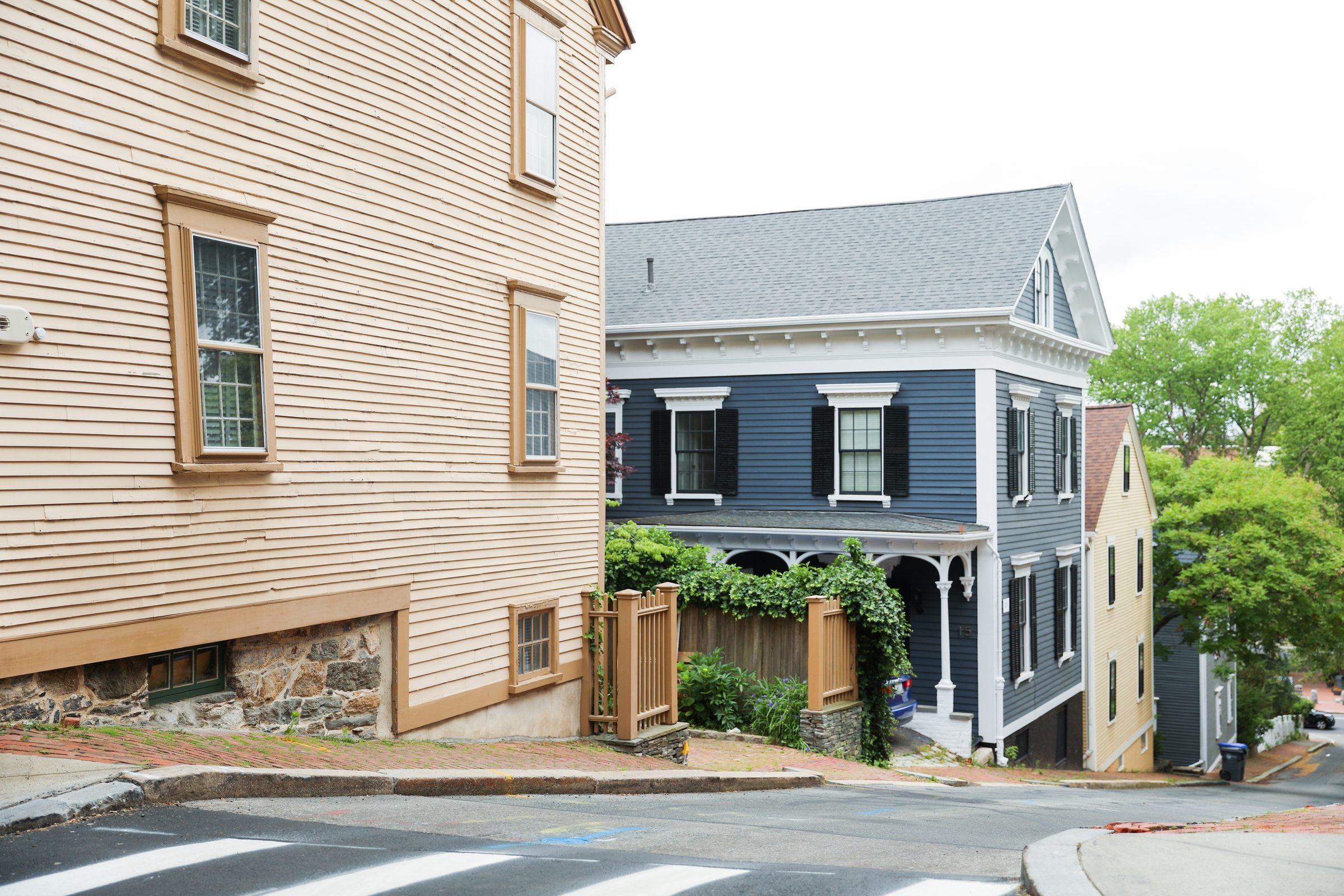
Getting around Pittsburgh means dealing with rivers, bridges, and hills, all of which have shaped a transportation network that looks a little different from most American cities.
Public Transportation
Pittsburgh Regional Transit, formerly known as the Port Authority, operates an extensive network of buses, dedicated busways, and light rail service across the city and into surrounding Allegheny County. The system includes three dedicated busways, the East, South, and West Busways, which let buses bypass regular traffic on their own separated roadways, something not many mid-sized cities have.
The Pittsburgh Light Rail, known locally as the T, runs light rail service connecting Downtown to the South Hills suburbs and across the river to the North Side, with the Downtown segment of the line running free of charge for local trips within the core of the city.
The Duquesne and Monongahela Inclines are two historic funicular railways that carry passengers up and down Mount Washington, technically part of the transit system and still used daily by commuters, not just tourists snapping photos of the skyline.
Major Highways
Interstate 376, known locally as the Parkway East and Parkway West, is the primary highway running through the city, connecting Downtown to Pittsburgh International Airport to the west and to the eastern suburbs and the Pennsylvania Turnpike to the east.
Interstate 279, or the Parkway North, connects Downtown to the city's northern suburbs and eventually ties into Interstate 79, serving as the main commuter route for residents living north of the city.
Interstate 579, a short connector often called the Crosstown Boulevard, links the Parkway East and Parkway North directly through Downtown, running right past the Hill District and helping traffic move through the heart of the city without getting stuck on surface streets.
Interstate 79 runs north to south just west of the city, connecting Pittsburgh to Erie in the north and Morgantown, West Virginia, to the south, and serves as a major route for residents commuting from the western suburbs.
Areas Served
- Canonsburg, PA
- Fox Chapel, PA
- Bethel Park, PA
Services
- Local Moving
- Long Distance Moving
- Storage Moving
- Packing Services
- Labor Only
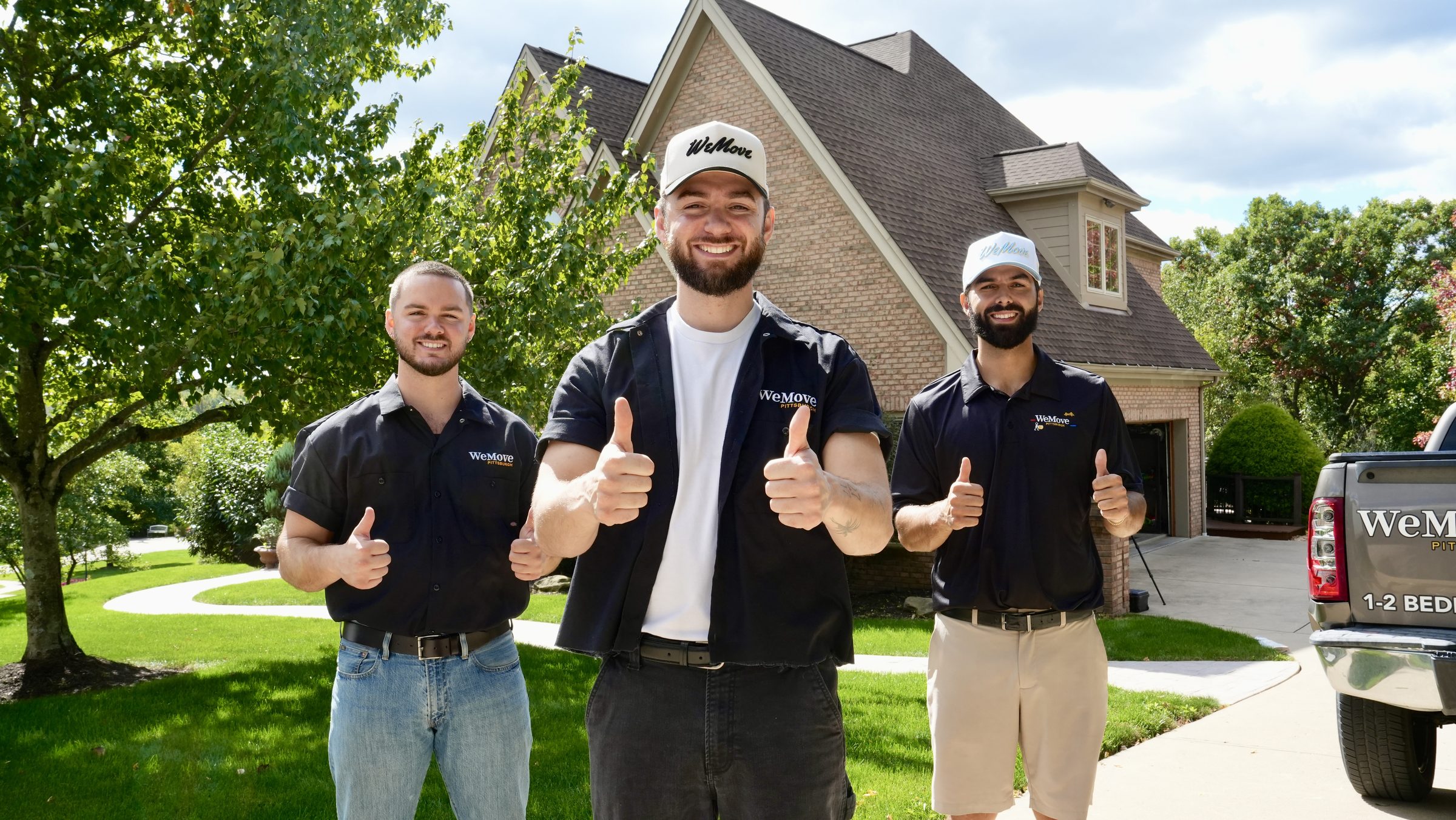
Ready to Schedule Your Pittsburgh Move
Get a free moving quote online in under two minutes, or call 412-838-4495 and talk to somebody who has actually loaded a truck.
- 412-838-4495
- Terry@wemovepit.com
- Pittsburgh, PA
- Mon – Sun: 8am - 8pm
Request a Free Quote
Tell us about your move. Every job starts with the same free estimate.