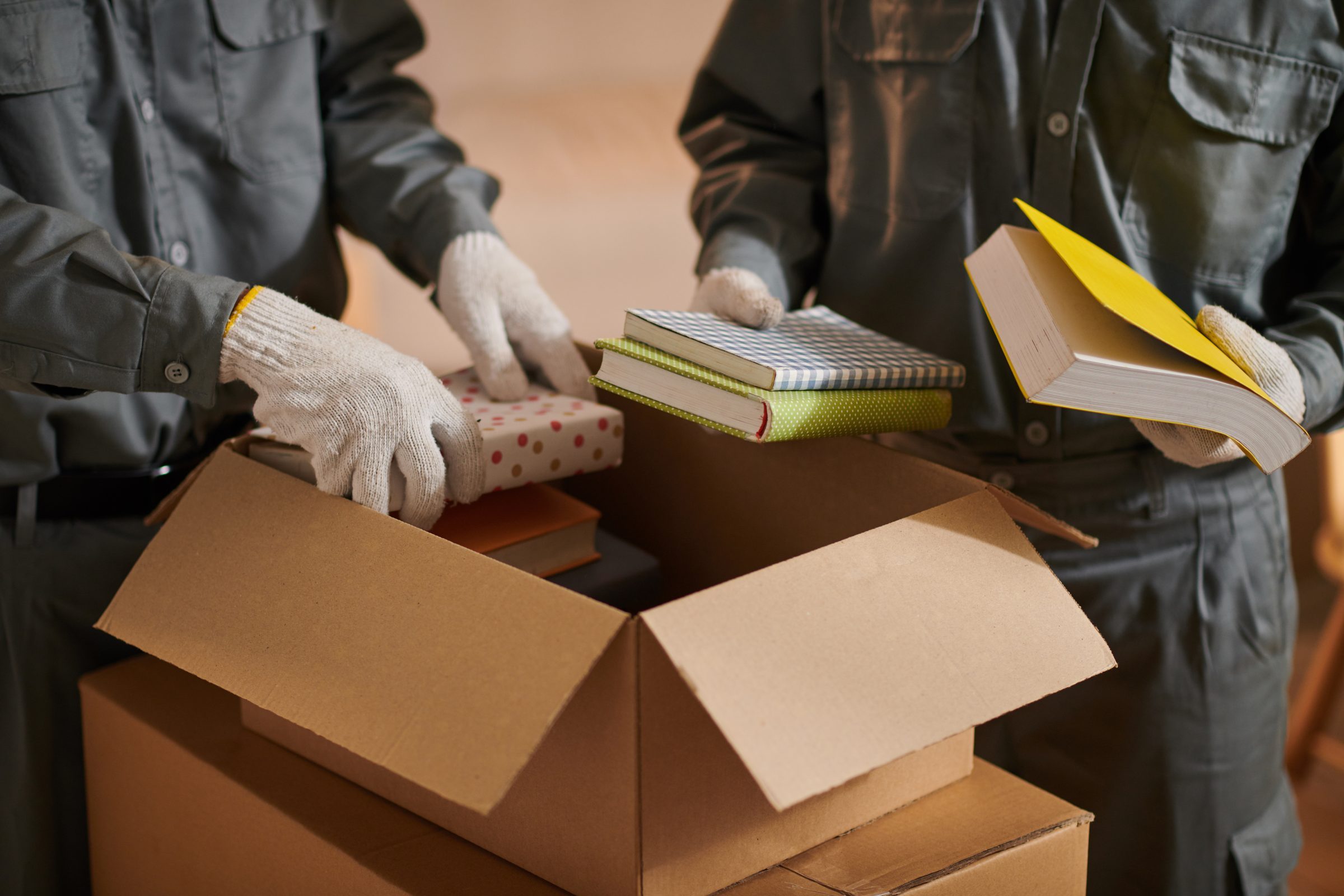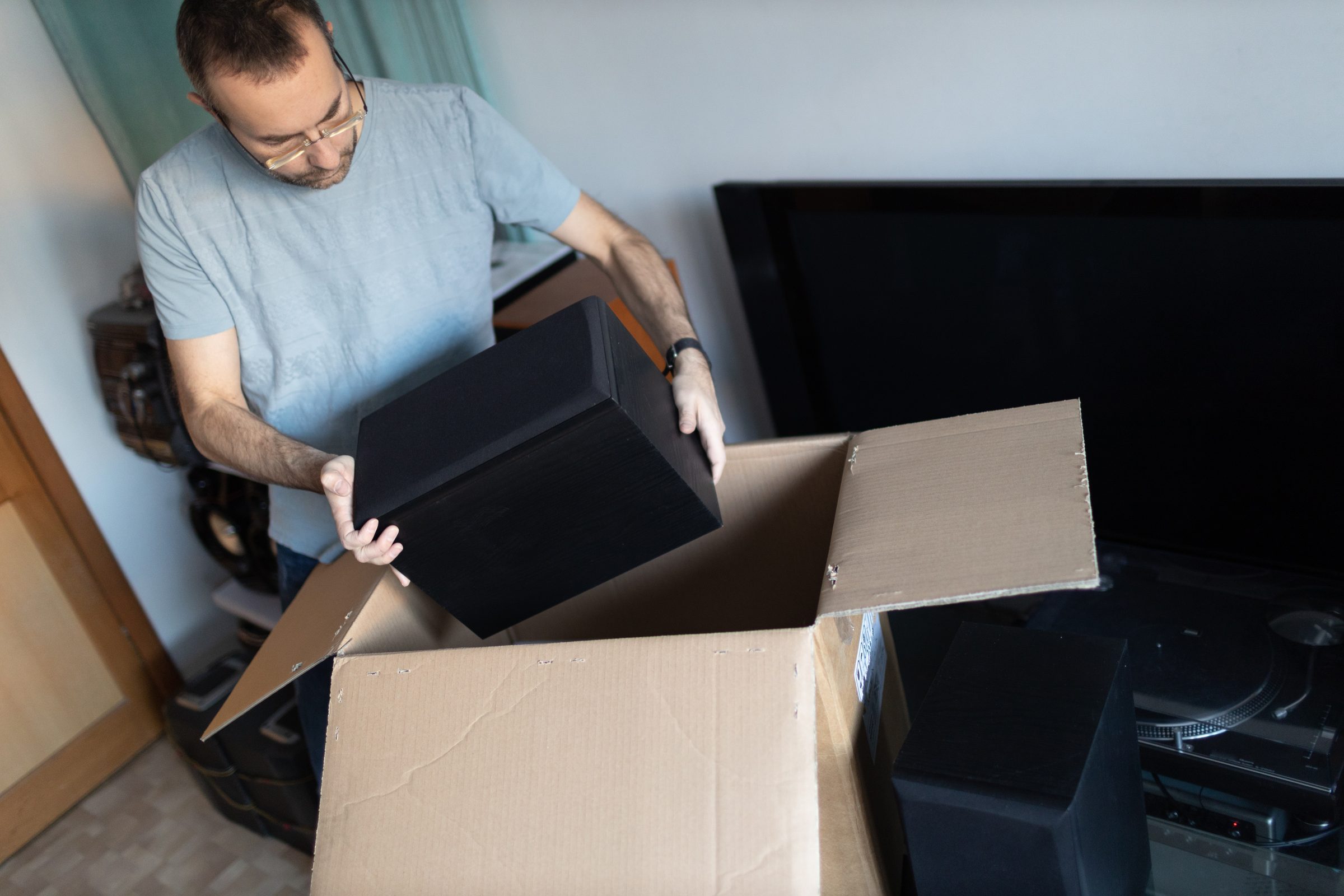
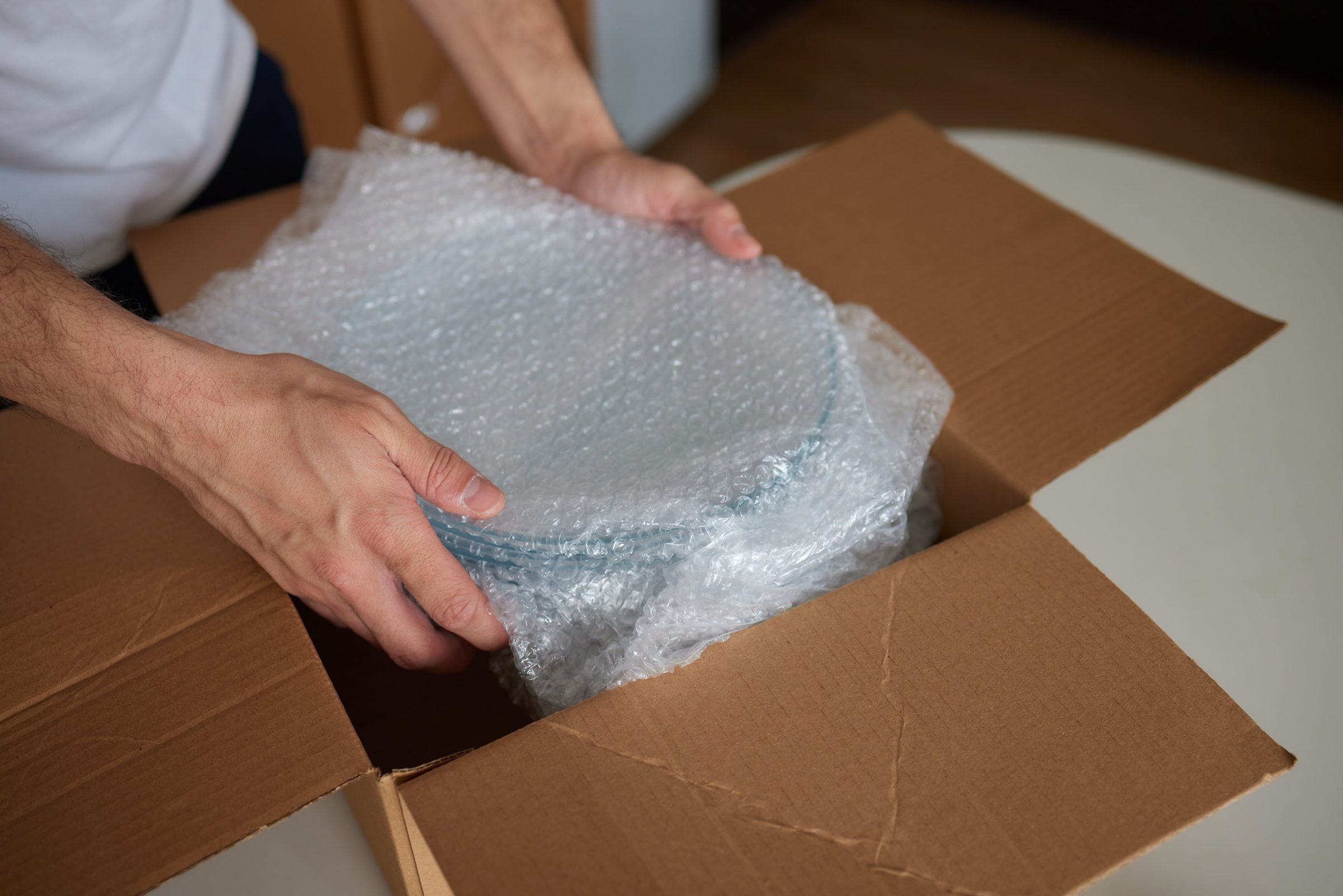
Breakables survive a move when the box gives them nowhere to move, which means wrapping each piece on its own, using small boxes, filling every gap, and standing plates on edge instead of stacking them. Damage almost never comes from a pothole, you know. It comes from a box with room inside it.
As a leading moving company in Pittsburgh, PA, WeMove covers local and long distance work, and every crew arrives with blankets, straps, and dish boxes. Shake a sealed box gently, and if you hear anything move, open it again.
What Counts as Fragile, and What to Decide Before Wrapping
Glassware, china, ceramics, mirrors, framed art, lamps, and televisions are the obvious ones. The less obvious ones catch people out, like marble and granite tops, thin wooden legs, record collections, instruments, and the pressboard furniture that survives exactly one move.
Pianos, safes, and oversized pieces sit in their own category and cost more to handle. Tell us about them when you book rather than on the day.
Before any of it gets wrapped, split it into three piles. One pile travels on the truck, one pile travels in your car, and one pile does not travel at all. That third pile is the one people forget, and it's really just decluttering before a move, except a box of chipped mugs costs real money in crew time.
Deciding early is easier than deciding at midnight with tape in your hand, and it helps to photograph anything valuable while it is still unwrapped, so its condition is on record rather than in memory.
How to Pack Dishes, Glassware, and Mirrors
Plates go on edge, standing in a small box like records in a crate. Wrap each one, then pack the row tight enough that nothing leans.
Stacking plates flat puts the weight of the pile on whichever one is unlucky enough to be at the bottom. Glasses go upside down, one per cell in a divider box, with paper stuffed into the bowl of each glass, which is kind of how you'd pack a kitchen like a professional, cabinet by cabinet.
Lamps come apart into base, harp, and shade, and each piece travels wrapped separately. Mirrors and framed art need flat boxes rather than deep ones. Tape a large X across the glass face, then wrap the piece in paper and a blanket. Stand it on its long edge in the truck instead of laying it flat.
- Small boxes for heavy, fragile items, large boxes only for light ones
- Paper or bubble wrap around every individual piece, not just around the group
- Fill every gap until a gentle shake produces no sound at all
- FRAGILE on all four sides, plus an arrow for the upright direction
- One layer of cushioning on the bottom and the top of every fragile box
Those five habits prevent most of the damage we see on people packed themselves.
What to Carry Yourself Instead of Loading
Some things should never go on a truck, no matter how carefully they are packed, because replacing them is not a matter of money. Family photographs, urns, heirloom jewelry, original artwork, and instruments you play belong in your own car.
So does anything one-of-a-kind, and if wrapping the rest feels like a bit much, our packing services can take over the fragile items. Keep your car items together in one box, load it last, and unload it first.
Documents and small electronics go in the same category for a different reason. A passport or a hard drive is not fragile in the physical sense. Losing access to it for three days still creates its own kind of damage. Set that box aside in a closet with the door shut and tell the crew it stays.
Not sure which of your pieces should ride in the truck and which should stay with you? Give us a call at (412) 838-4495, and we'll help you sort it out before moving day.
How Our Crew Protects Breakables on the Truck
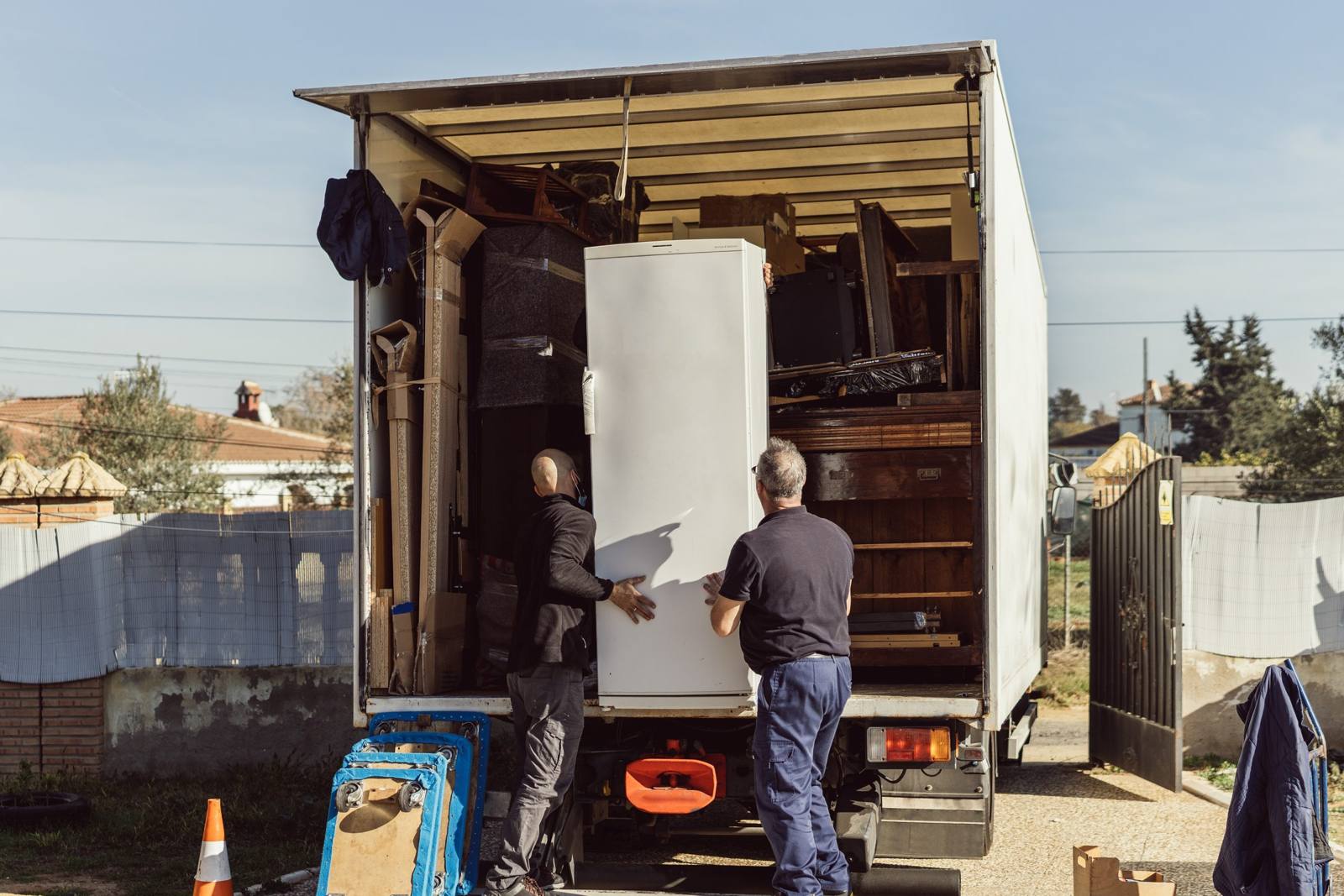
Loading order does as much as wrapping. Heavy furniture goes against the truck walls and low to the floor, and boxes stack in tiers, with the heaviest at the bottom. Fragile boxes ride near the top of a tier, where nothing can press down on them.
Blankets go between every piece of furniture, and straps tie each tier off so the load cannot slide when the truck takes a hill. A tier that is tied cannot lean, and a load that cannot lean does not crush the box underneath it. It's a bit of a boring detail, but it matters.
Pittsburgh, PA, adds its own complications. Steep grades in places like Mt. Lebanon push an unstrapped load toward the tailgate. Construction detours turn a fifteen-minute run into a long one on rough roads. Narrow one-way streets often park the truck further from the door than anyone would like, so fragile boxes get carried rather than rolled over curbs and brick.
What Changes on a Long Distance Move
Distance changes the rules. A cross-town run puts a box through one loading, one short drive, and one unloading. A move to Columbus puts it through hours of vibration that finds every gap. Pack tighter, use new boxes rather than grocery store cast-offs, and double-box anything genuinely valuable with cushioning between the two layers.
Our long distance moving work is priced by weight and mileage rather than by the hour. GPS tracking shows you where the load is at any point. Ask us about coverage for high-value pieces before the truck is loaded, not after. Photograph anything fragile while it is still unwrapped, because ten minutes of that up front settles any question about condition later.
Fragile items reward patience more than they reward technique. The households who arrive with everything intact packed their breakables slowly on a weekday evening. They gave themselves time, and then they used it.
Have questions about packing your fragile items, or just want to talk through your options first? Contact us, and we'll help you figure out the right next step. You can also reach us at (412) 838-4495. We're here Monday to Sunday, 8:00 AM to 8:00 PM.